

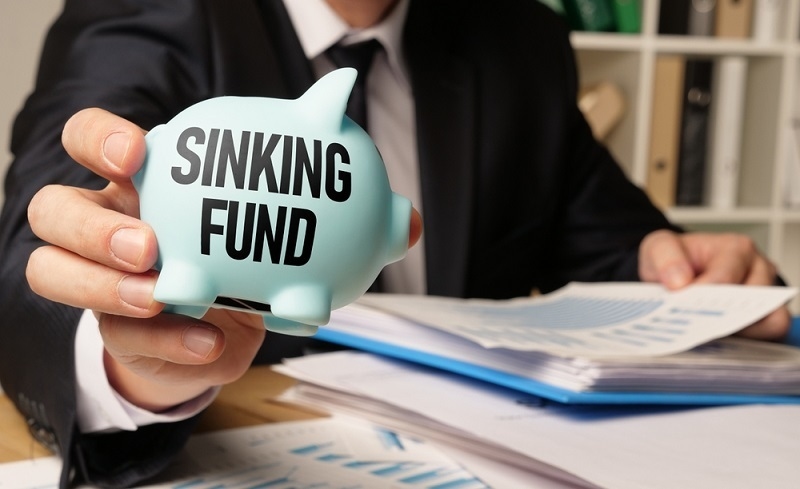
Money problems rarely show up as surprises. Most of the time, they walk right toward us, waving a calendar. Car insurance renewals. Holiday travel. Home repairs. That annual subscription you always forget until it hits your card. And yet, many of us still act shocked when the bill arrives. This is where a sinking fund quietly changes the game. This article walks through what a sinking fund really is, why it works so well for future costs, how to set one up without stress, and how it compares to an emergency fund. If saving has ever felt frustrating or inconsistent, this might be the missing piece you didn’t know you needed.
Before the term scares anyone off, let’s slow down for a second. This idea is much simpler than it sounds.
At its core, a sinking fund is money you set aside little by little for a known future expense. That’s it. No mystery. No financial gymnastics.
If you know you’ll need $1,200 for property taxes next year, you don’t wait until the bill shows up. You save $100 a month. When the time comes, the money’s already there, calm and ready.
You know what? This approach feels almost boring. And that’s exactly why it works.
With inflation still squeezing budgets and interest rates making debt more expensive, people across the US are looking for steadier ways to plan ahead. A sinking fund creates predictability in a financial landscape that often feels anything but predictable.
It turns big, stressful costs into manageable monthly habits. Less panic. More control.
Here’s the thing. A sinking fund isn’t a spreadsheet exercise. It’s a behavior shift.
Some expenses are perfect candidates because they’re expected, even if the timing shifts a little.
Common examples include
Notice a pattern? None of these are emergencies. They’re just expensive.
There’s a quiet confidence that comes from paying a bill without wincing. No scrambling. No credit card guilt. Just a simple transfer, and you move on with your day.
Honestly, that feeling alone is worth the effort.
Top Pick: How to Create a Monthly Budget Plan for Any Income Level
This is where people tend to freeze. Don’t. You don’t need perfection.
Start by listing expenses you already know are coming. Not guesses. Not what ifs. Just real stuff.
Is car registration due every year? Write it down. Do you plan a vacation every summer? That counts too.
Large numbers feel heavy. Smaller ones feel doable.
If an expense is $600 a year, that’s $50 a month. If monthly feels tight, try weekly. Many US banks, like Ally or Capital One, let you automate small transfers so you don’t even have to think about it.
A high-yield savings account works well for most sinking funds. It keeps the money separate and earns a bit of interest without risking it.
Some people like multiple labeled accounts. Others prefer one account with clear notes. Both work. Pick what feels intuitive, not impressive.
This comparison trips people up all the time, so let’s clear it up.
A sinking fund is for expected expenses. An emergency fund is for true surprises.
Think of it this way. A sinking fund handles life’s appointments. An emergency fund handles life’s interruptions.
Job loss. Medical emergencies. Sudden travel for family reasons. That’s emergency fund territory.
Some people try to use one fund for everything. It usually backfires.
When expected expenses drain your emergency fund, you’re left exposed when something truly unexpected happens. Separating them keeps each fund doing its job properly.
This is why understanding sinking fund vs emergency fund matters more than people think.
Read More: Top 2025 Budgeting Strategies to Save & Plan Smart
Even good systems can wobble if habits slip.
It’s tempting to create ten sinking funds overnight. That spreads your money thin and leads to frustration.
Start with one or two high-impact expenses. Build momentum. Add more later.
Costs change. Income changes. Families grow. Cars age.
Revisit your sinking fund amounts every few months. Not obsessively. Just enough to stay realistic.
Saving shouldn’t feel like punishment.
When a bill gets paid smoothly from your fund, pause for a second. Notice how calm that felt.
That’s reinforcement. It builds trust in the system.
Apps like YNAB or Monarch Money can help track sinking funds, but they’re tools, not rules. If a simple notebook or bank app works better for your brain, go with that.
Here’s the thing. Consistency beats complexity every time.
A sinking fund doesn’t just handle expenses. It changes how you think about money.
Instead of reacting to bills, you’re anticipating them. That shift reduces stress in subtle but powerful ways.
You stop asking, How will I pay for this? and start thinking, Oh right, I already did.
Once small expenses stop derailing you, larger goals feel more reachable. Investing. Home ownership. Career moves.
This isn’t flashy finance advice. It’s sturdy. And sturdy tends to last.
Do Checkout: Avalanche vs Debt Snowball Method: Best Repayment Option
A sinking fund is one of those rare money habits that feels almost too simple, yet delivers steady results. By planning for known expenses ahead of time, you reduce stress, avoid debt, and build a sense of control that carries into other areas of your financial life. Whether you’re just learning what a sinking fund is or refining how to create a sinking fund that fits your lifestyle, the payoff shows up month after month. Calm replaces chaos. And that’s a pretty good trade.
No. It works just as well for smaller recurring costs like subscriptions or seasonal spending. The key is predictability.
Yes, but start small. One or two funds are easier to manage and build confidence before expanding.
A separate savings account is ideal. Many people use high-yield savings accounts for easy access and clarity.
It happens. Adjust next month if you can and move on. Progress matters more than perfection.
This content was created by AI