

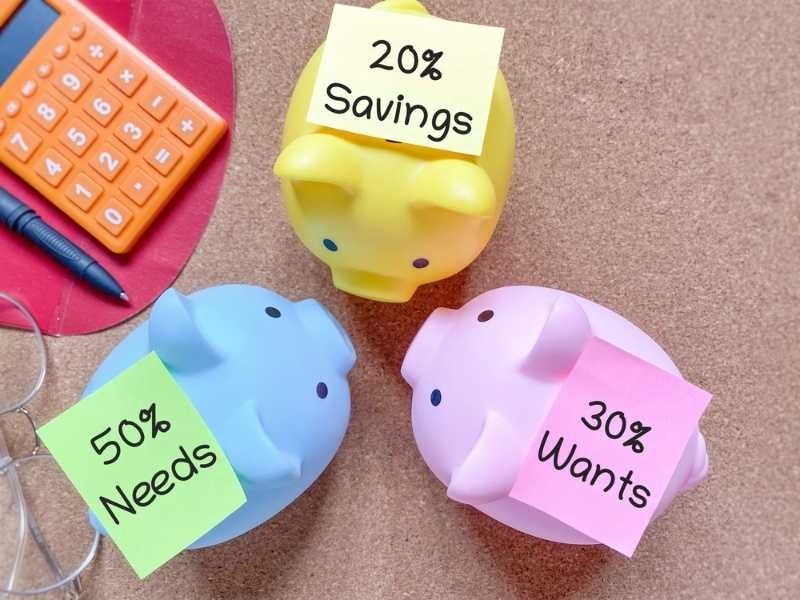
The 50-30-20 Budgeting Rule creates a simple path for anyone who wants to manage their money better. This personal finance budgeting method helps individuals split their income into three clear groups for easier tracking. By following this money management plan, people can stop guessing where their paychecks go each month. Learning how to budget money effectively allows for both immediate fun and long-term security. Here is a breakdown of how this system works for everyday life.
This budgeting framework splits your after-tax income into specific percentages. It keeps things very simple, so you do not have to count every single penny you spend.
When a person uses this monthly budget rule, they gain a clear view of their financial health. It provides a way to stay balanced without feeling like life is too restricted.
Recommended Article: Master the 50/30/20 Budget Rule with Real-Life Money Tips
The first part of this strategy covers the essentials a person needs to live and work. These are the bills that do not go away and are required for survival.
If these costs exceed half of income, it might be time to look for cheaper options. Keeping these under the 50% mark ensures there is enough left for other goals.
The second group is for the things that make life more enjoyable but are not strictly necessary. This is often where people overspend without realizing it until they check their bank statements.
Using the 30% limit helps people enjoy their life today while staying within a safe boundary. It prevents the guilt that often comes with spending on fun activities.
The final piece of this puzzle focuses on the future and protecting oneself from emergencies. This is the portion of the money that works for the individual over time.
Setting aside 20% ensures that the person is always moving forward financially. It creates a safety net that handles unexpected car repairs or medical bills without stress.
Success with this method comes from checking the numbers at least once every month. It is not about being perfect but about staying close to the target percentages.
Small changes in habits can lead to big results over a few years of following this plan. Consistency is the most important part of making any financial system actually work.
Sometimes life changes, and the percentages might need a small shift for a short time. The goal is to return to the standard levels as soon as possible.
Automating the savings portion makes it much easier to stick to the plan without having to think about it. When the money moves itself, the person is less likely to spend it on something else.
Many people struggle because they confuse their wants with their actual needs. Being honest about these categories is what makes the whole system stay together.
Keeping a simple list helps distinguish between what is required and what is just nice to have. This clarity is the secret to long-term success with any financial plan.
Further Reading: Zero-Based Budgeting: A Beginner’s Guide to Smart Spending
When people know where their money goes, they feel more in control of their daily lives. This sense of control reduces anxiety and helps people plan for big dreams, such as owning a home.
Teaching these simple steps to children can help them start their own lives on the right foot. It is a universal tool that works for almost any income level or lifestyle.
The best time to start is with the very next paycheck deposited into the bank account. Calculating the numbers only takes a few minutes but provides a map for the entire month.
Starting small is better than not starting at all when it comes to organizing cash. Over time, these steps become a natural part of how a person looks at their finances.
Most people fail at money because they try to track every single cent in a complicated spreadsheet. This method works because it uses broad categories that are easy to remember and follow.
The simplicity of the percentages means a person can do the math in their head while shopping. It turns a chore into a quick mental check that keeps the bank account healthy.
Keeping the momentum going requires seeing the progress made in the savings and debt categories. Watching those balances change is the best way to stay excited about the plan.
Having a clear "why" behind the budgeting makes the "how" much easier to handle every day. Whether it is a vacation or a house, the goal keeps the focus sharp.
Explore This Topic: How to Create a Monthly Budget Plan for Any Income Level
The 50-30-20 budgeting rule serves as a strong foundation to connect earnings and create an impactful life. By focusing on needs, balancing wants, and investing in savings, anyone can ensure that they have a good handle on finances. Apply these ratios in your life now, and you'll start changing your outlook towards money.
The numbers need to be figured out based on the take-home salary or net income. This is the amount of money that actually lands in the bank account after all workplace deductions. Using the total gross pay would make the percentages inaccurate and harder to follow.
If basic living costs are too high, one must look for ways to reduce those monthly fixed expenses. It may involve sharing a room with someone, relocating to an affordable place, or reducing spending on costly utilities. By doing so, the remaining categories will remain strong and healthy.
This budget strategy is ideal for those with debt, as the savings category takes up 20%. The funds saved can be used to make additional debt payments. By prioritizing these payments, a person can reduce their total debt much faster than by making minimum payments. It creates a structured way to regain financial freedom over time.
It is best to review the numbers at the start of every single month to account for different bills. Some months have higher heating costs or more social events, requiring a small shift in the categories. Checking in regularly ensures that the plan stays relevant to current life changes.
This content was created by AI